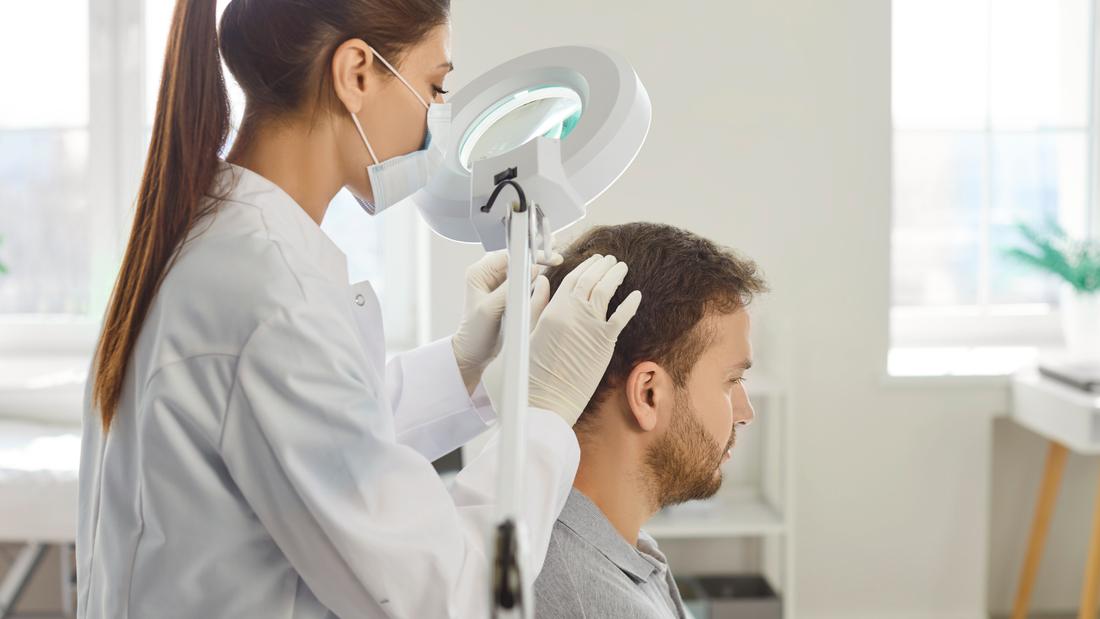
Noticing grey or white hairs at a young age can be worrying, particularly when the change appears quickly or seems different from the pattern seen in other family members. Patients looking for premature grey hair treatment in Visakhapatnam are often unsure whether they need blood tests, supplements, an anti-grey serum or simply reassurance. At Visakha Skin Clinic in Vizag, the first priority is to determine whether the greying represents a mainly genetic pattern or whether there are clinical reasons to investigate further. Treatment should be based on the likely cause rather than on advertising claims or indiscriminate supplementation.
Premature greying does not always indicate an illness or nutritional deficiency. In many patients, family history remains the strongest clue. A dermatology assessment can help identify the smaller group in whom early or rapidly progressive greying may be associated with a correctable medical or nutritional factor.
What Is Premature Grey Hair?
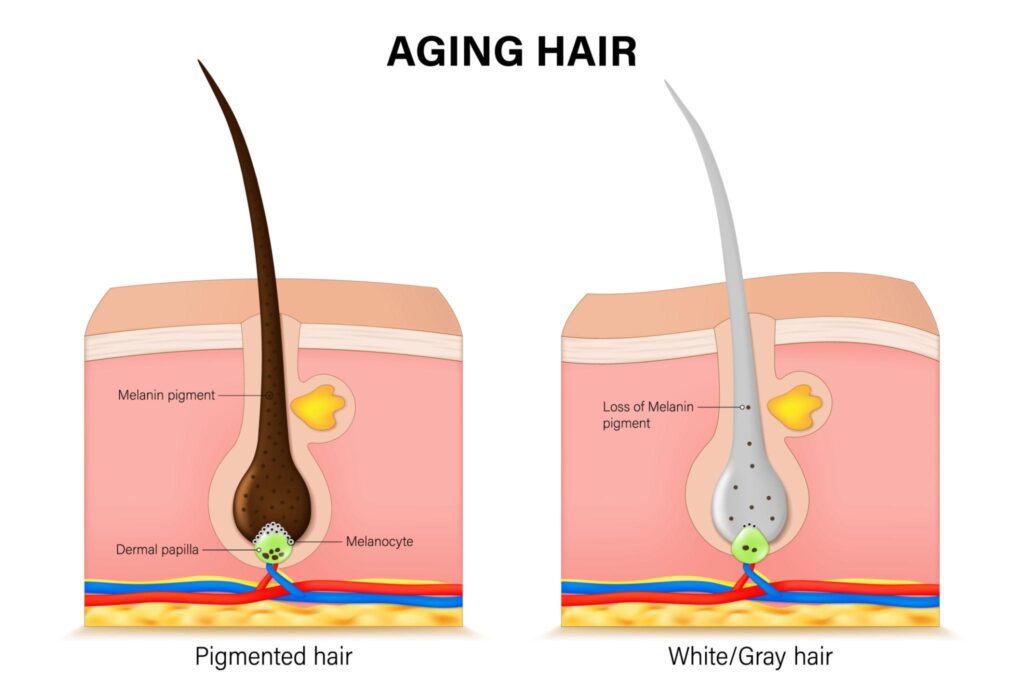
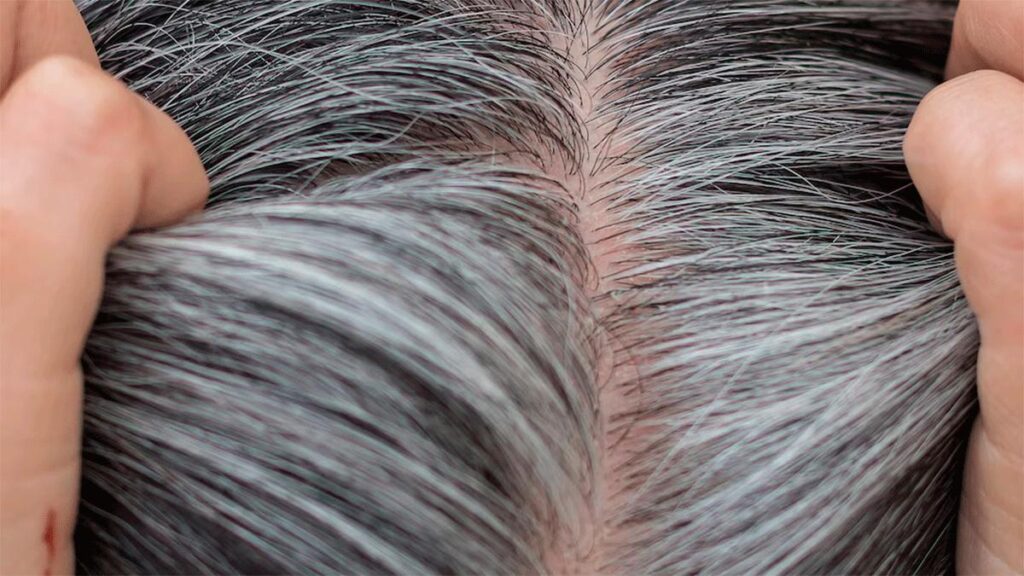
Hair receives its colour from melanin produced by specialised pigment cells within the growing hair follicle. Grey hair develops when these cells produce less pigment or become depleted, allowing new hair to emerge with reduced or absent colour.
Premature grey hair, also called premature canities, means that this process has started earlier than expected for the individual’s age and ethnic background. A commonly used threshold for Asian populations is greying before approximately 25 years of age, although definitions vary and the overall clinical pattern is more informative than a single age cut-off.
The visible part of the hair is not living tissue. Once a section of hair has grown out grey, that section cannot restart melanin production. Genuine repigmentation would have to appear as darker new growth emerging from the follicle at the root.
Causes and Triggers
Genetics and family history
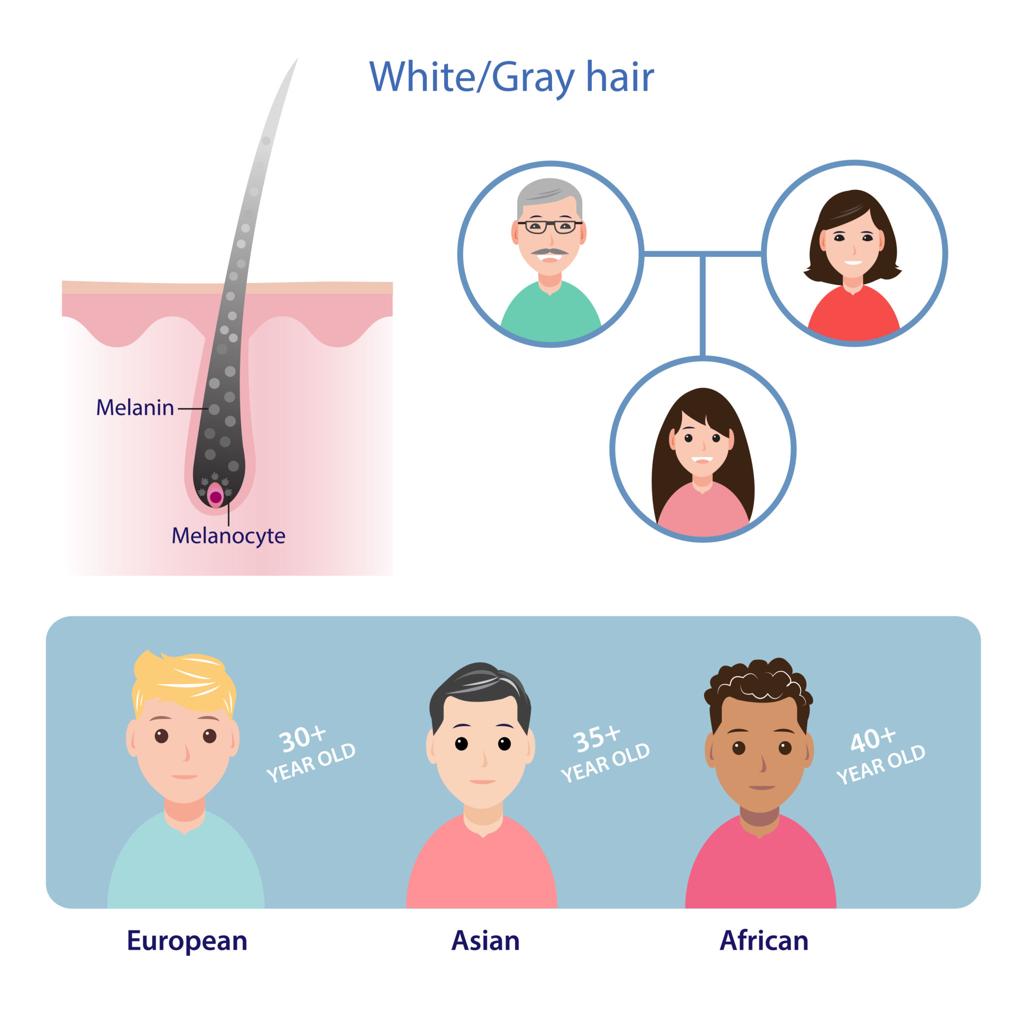
Genetic predisposition is one of the most frequent explanations for premature greying. When parents or siblings developed grey hair at a similar age, the pattern is more likely to be inherited rather than caused by a new medical problem.
An Indian clinical study of patients with premature canities found that a positive family history was extremely common. Family history does not exclude other contributing factors, but it often provides the most useful starting point during assessment.
Changes within the hair follicle
Pigment-producing melanocytes and their supporting stem cells gradually become less active or depleted. Oxidative stress, mitochondrial changes and altered cellular signalling within the follicle have also been investigated as contributors to loss of pigmentation.
These biological mechanisms explain why antioxidant and peptide products sound scientifically credible. They do not prove that an ingredient applied to the scalp can penetrate deeply enough to produce visible repigmentation.
Vitamin and mineral deficiencies
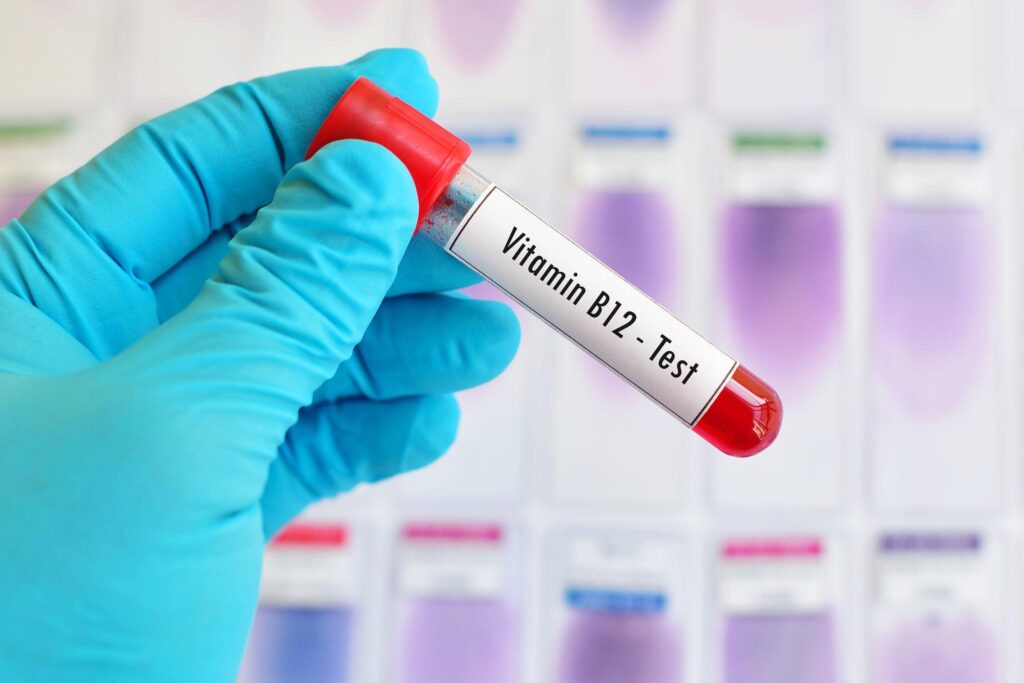
Vitamin B12 deficiency has been associated with premature greying in some clinical studies, including research involving Indian patients. Iron status, folate, copper and other nutritional factors may also be considered when the history suggests dietary restriction, malabsorption, anaemia or another relevant risk.
An association does not mean that everyone with grey hair should take supplements. Replacement is most appropriate when a deficiency has been demonstrated or there is another clear medical indication.
Thyroid and autoimmune conditions
Thyroid dysfunction, particularly hypothyroidism, has been associated with premature canities in observational research. Vitiligo and some other autoimmune or inherited conditions can also affect pigmentation, although they account for only a minority of patients presenting with early grey hair.
Smoking, stress and general health
Smoking has been associated with earlier greying in several studies. Psychological stress may influence pigmentation biology in some follicles, but stress is rarely the only explanation for widespread or steadily progressive greying.
The heat, sunlight, humidity and pollution experienced in Visakhapatnam can affect hair texture, dryness, colour-treated hair and shaft weathering. They have not been established as primary causes of genetically determined follicular greying.
How It Is Diagnosed
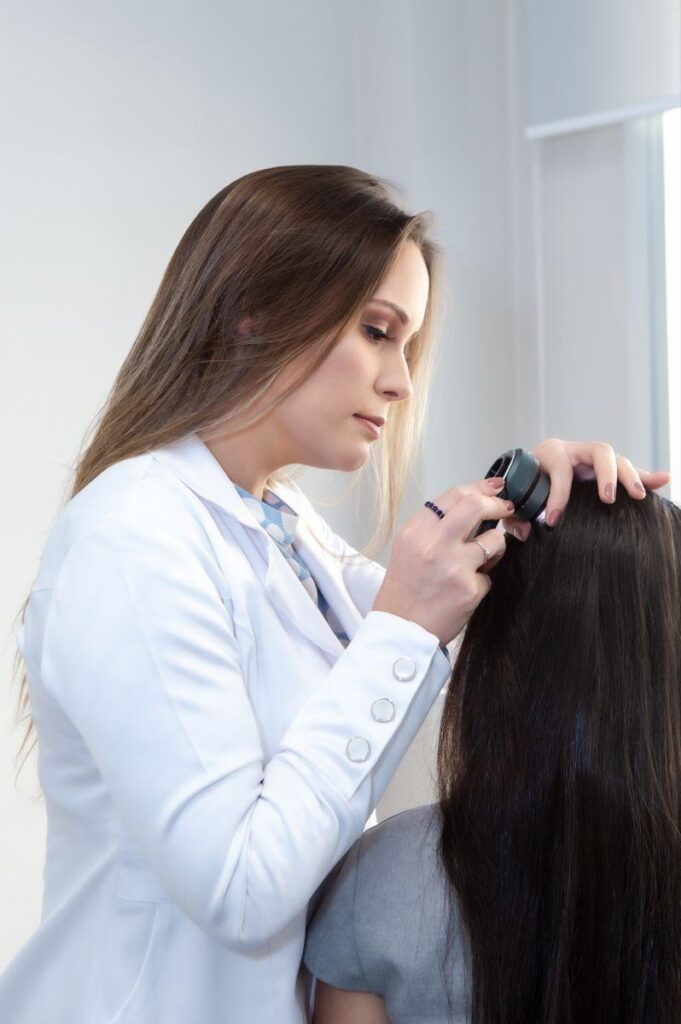
Assessment begins with the age at which the first grey hairs appeared, how rapidly the number has increased and whether close family members followed a similar pattern. The dermatologist will also ask about diet, medications, smoking, recent illness, weight changes, fatigue, menstrual history where relevant and symptoms that might suggest thyroid disease, anaemia or another medical condition.
The scalp and hair are examined to assess the distribution of greying and to look for associated hair loss, inflammation, scaling, scarring or changes in skin pigmentation. Grey hair occurring together with excessive shedding or a scalp disorder may require a broader hair-loss assessment.
Blood tests are not identical for every patient. Depending on the history and examination, targeted investigations may include a full blood count, vitamin B12, thyroid function and selected iron or nutritional studies. Testing should answer a clinical question rather than serve as an indiscriminate “hair panel.”
Standardised photographs can be helpful when progression is uncertain or when a patient is trying a topical product. Genuine improvement should be judged by new pigmented growth from the root, not by changes in lighting, hair oil, combing or camera exposure.
Premature Grey Hair Treatment in Visakhapatnam: Treatment Options
First-line management
The first step is to establish whether the greying is predominantly genetic and age-related or whether a potentially correctable factor is present. When testing confirms vitamin B12 deficiency, thyroid dysfunction, anaemia or another relevant condition, that problem should be treated appropriately. Correcting a deficiency supports general health and may help prevent further changes in selected patients, but it cannot guarantee that hair which is already grey will regain its original colour.
For ordinary inherited greying, permanent or semi-permanent hair colour remains the most dependable way to change the visible appearance. Patients with sensitive skin, eczema or a previous reaction to hair dye should discuss safer colouring options and appropriate allergy assessment before applying another product.[ hair dye allergy and patch testing page]
Gentle scalp care, treatment of dandruff or inflammation, adequate dietary protein and stopping smoking may support overall hair and scalp health. These measures should not be presented as reliable methods for reversing genetically determined greying.
Specialist and second-line options
Some anti-grey serums contain peptides, antioxidants, botanical extracts or ingredients intended to influence melanocyte activity. Small studies have reported changes in pigmentation-related proteins or modest reductions in newly counted grey hairs. However, these findings have not established substantial, predictable and durable reversal for most patients.
A patient who wishes to try a topical serum should understand that it is an optional, evidence-limited trial rather than a proven treatment. The exact product, ingredient concentration, irritation risk, cost and method of documenting progress should be reviewed. Any assessment should focus on darker new growth emerging from the root over several months.
Associated hair loss, scalp inflammation, vitiligo or another pigmentary disorder should be treated as a separate clinical problem. Managing those conditions may improve scalp health, but it should not be presented as a guaranteed method of restoring grey-hair pigmentation.
What to avoid
Avoid taking high-dose iron, copper, zinc, selenium, biotin or vitamin B12 without evidence of deficiency or a clear clinical indication. Excessive supplementation can cause adverse effects, interact with medicines and delay investigation of the actual problem.
Be cautious with products that promise complete reversal within a few weeks, rely only on unstandardised before-and-after photographs or describe a laboratory finding as though it were visible clinical success. Home remedies that irritate the scalp can cause dermatitis and may worsen hair breakage without affecting follicular pigment.
What to Expect
The outcome depends on the cause of the greying. When premature grey hair is predominantly genetic, medical treatment is unlikely to restore the original colour consistently. Cosmetic colouring generally produces a more predictable visible result than serums or supplements.
When a documented deficiency or medical disorder is identified, treatment is directed at that condition. Improvement in general health or reduction in further progression may occur, but repigmentation is variable and cannot be promised.
Any true colour change must appear in newly growing hair. It therefore cannot be judged over a few days or from a single photograph. Standardised photographs and review after approximately eight to twelve weeks may help assess progression, while a longer observation period may be necessary to determine whether new pigmented growth is occurring.
Follow-up should be earlier if greying is accompanied by sudden hair shedding, scalp inflammation, new areas of skin pigment loss or other systemic symptoms.
Frequently Asked Questions
Can Premature Grey Hair Treatment in Visakhapatnam reverse grey hair?
Occasional repigmentation of individual hairs has been documented, particularly when a reversible underlying factor is present. However, predictable reversal of inherited or age-related greying is uncommon, and no topical serum has been shown to restore natural colour reliably in most patients.
Which blood tests are needed for premature grey hair?
Testing is selected according to the age of onset, rate of progression, diet, symptoms, family history and examination findings. Depending on the clinical context, a dermatologist may consider a blood count, vitamin B12, thyroid function and selected iron or nutritional investigations.
Does vitamin B12 deficiency cause grey hair?
Vitamin B12 deficiency has been associated with premature greying in some studies, including an Indian retrospective study. This does not mean that vitamin B12 will reverse grey hair in someone whose level is normal, so supplementation should be guided by clinical assessment and testing.
Do anti-grey hair serums work?
Some anti-grey ingredients have plausible mechanisms and limited early clinical data. The available studies are generally too small, too short or too dependent on laboratory markers to prove substantial and durable visible repigmentation.
Is hair dye safe for grey hair?
Many people can use hair colour safely, but permanent dyes can cause allergic contact dermatitis, particularly in individuals sensitive to para-phenylenediamine and related chemicals. Seek dermatology advice if dye causes itching, facial swelling, blistering, burning or a persistent scalp rash.
When should I see a dermatologist about premature greying?
Consider an assessment when greying begins unusually early, progresses rapidly or occurs with hair loss, fatigue, weight changes, skin pigment changes, restrictive diet or symptoms of anaemia or thyroid disease. Consultation is also useful before spending repeatedly on supplements or anti-grey products with uncertain benefit.
A Practical Approach to Premature Greying
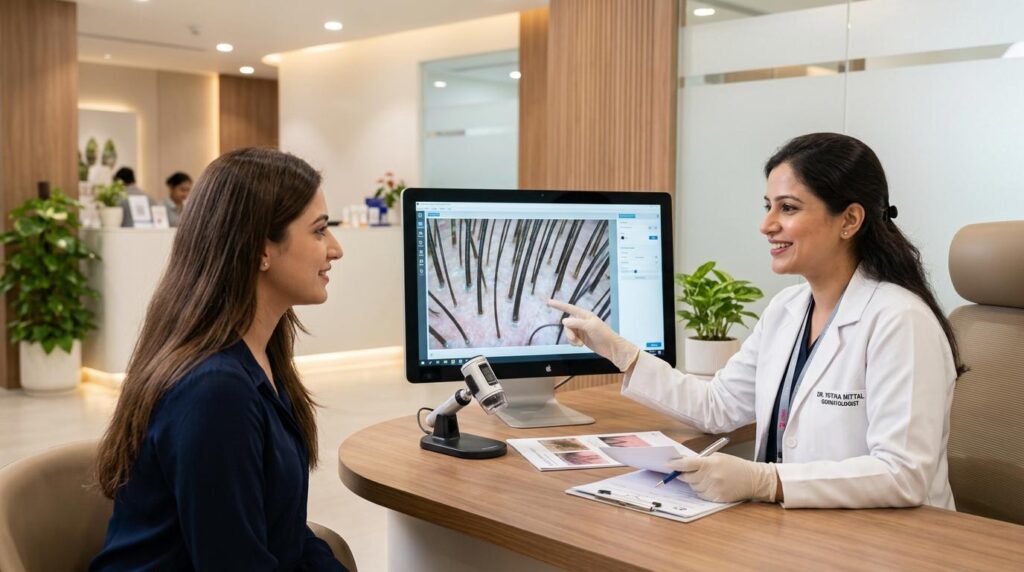
Premature greying is often inherited and does not necessarily indicate poor health. The purpose of dermatological assessment is to identify patients who need targeted investigation, correct genuine deficiencies or associated disorders and prevent unrealistic treatment expectations.
If you are dealing with premature grey hair and have not found clear answers, a structured consultation at Visakha Skin Clinic can help identify what is driving your early greying and what treatment approach suits your scalp and hair. [Book an appointment / Contact us]
References
- Wood JM, et al. Senile hair graying: H₂O₂-mediated oxidative stress affects human hair color by blunting methionine sulfoxide repair. FASEB Journal. 2009;23:2065–2075.
- Commo S, Gaillard O, Bernard BA. Human hair greying is linked to a specific depletion of hair follicle melanocytes affecting both the bulb and outer root sheath. British Journal of Dermatology. 2004;150:435–443.
- Sonthalia S, Priya A, Tobin DJ. Demographic characteristics and association of serum vitamin B12, ferritin and thyroid function with premature canities in Indian patients from an urban skin clinic of North India: A retrospective analysis of 71 cases. Indian Journal of Dermatology. 2017;62:304–308.
- Almeida Scalvino S, et al. Efficacy of an agonist of α-MSH, palmitoyl tetrapeptide-20, in hair pigmentation. International Journal of Cosmetic Science. 2018;40:516–524.
- Jo SJ, et al. Efficacy and safety of Pueraria lobata extract in gray hair prevention: a randomized, double-blind, placebo-controlled study. Annals of Dermatology. 2013;25:218–222.
- De Tollenaere M, et al. Global repigmentation strategy of grey hair follicles by targeting oxidative stress and stem-cell protection. Applied Sciences. 2021;11:1533.