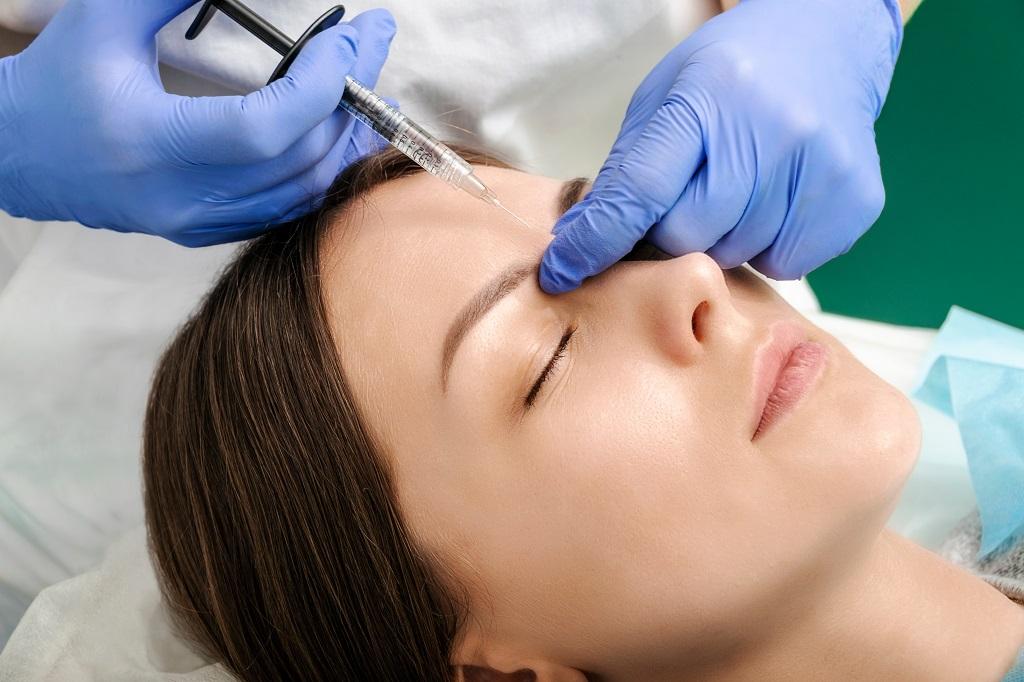
Patients considering Botox treatment in Visakhapatnam are often trying to address forehead creases, frown lines, or crow’s feet without surgery. Botulinum toxin can be effective for these concerns when the lines are being produced mainly by repeated muscle movement. It does not, however, treat every component of facial ageing. A careful consultation in Vizag should therefore begin by identifying whether the main concern is muscle activity, skin damage, pigmentation, loss of volume, or tissue laxity.
What Is Botox Treatment?
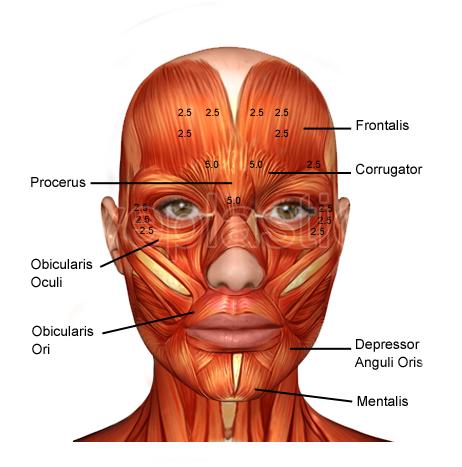
Botox is a brand name commonly used when discussing botulinum toxin injections. The treatment works by reducing nerve signals to selected facial muscles, temporarily weakening the movement that repeatedly folds the overlying skin.
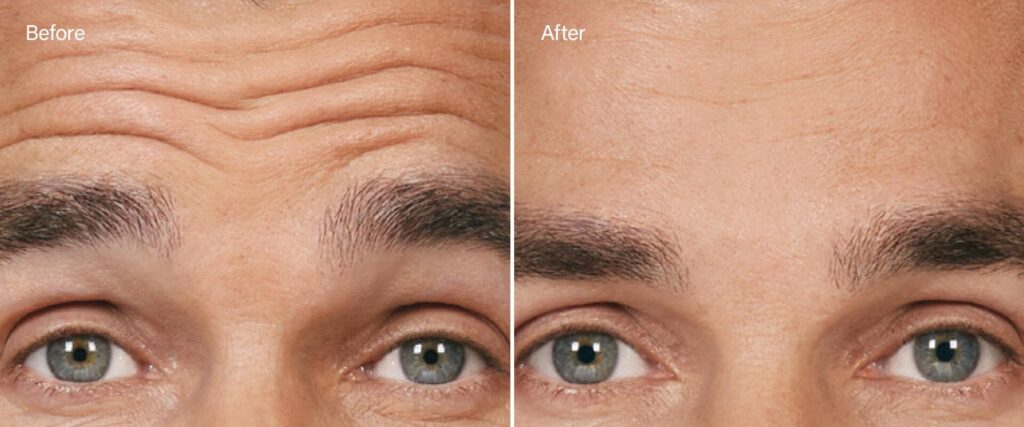
This can soften dynamic lines, including lines between the eyebrows, across the forehead, and around the eyes. The improvement occurs because the treated muscle contracts less strongly—not because collagen has been replaced or sun-damaged skin has been rebuilt.
Botulinum toxin should therefore be viewed as a targeted treatment for selected expression lines rather than a complete treatment for facial ageing.
Causes and Triggers
Facial lines develop through several different mechanisms. Repeated expression contributes to dynamic lines, particularly in people with strong forehead, frown, or eye-area muscle activity. Over time, these lines may remain visible even when the face is at rest.
Skin ageing also involves gradual collagen loss, damage to elastin, ultraviolet exposure, changes in facial fat, weakening of supporting structures, and remodelling of the facial skeleton. Pollution, prolonged sun exposure, inflammation, smoking, and inconsistent photoprotection may further affect skin quality.
These processes do not all respond to the same treatment. Botox may reduce the muscular folding responsible for a prominent line, but pigmentation, rough texture, laxity, and volume loss need separate evaluation.
How It Is Diagnosed
Assessment begins by examining the face both at rest and during expression. The clinician may ask the patient to frown, raise the eyebrows, smile, or narrow the eyes so that the pattern and strength of muscle movement can be assessed.
The depth of the line at rest is also relevant. A line that appears only during expression may respond differently from a deep crease that remains visible without movement.
The consultation should also assess skin texture, pigmentation, sun damage, facial symmetry, volume distribution, and tissue descent. This helps determine whether Botox alone is appropriate or whether the patient’s concern is primarily related to the skin or deeper facial structure.
Treatment Options
First-Line Skin Care
An evidence-based facial-ageing plan usually begins with photoprotection. Regular sunscreen use cannot reverse damage that has already occurred, but it can reduce continuing ultraviolet injury. [LINK: photoprotection and sunscreen]
A topical retinoid may be considered for suitable patients concerned about fine wrinkles, uneven pigmentation, or photoaged skin. Retinoids work differently from Botox because they act on the skin rather than reducing muscle movement. [LINK: topical retinoids]
Botox for Dynamic Expression Lines
Botulinum toxin may be appropriate when prominent forehead lines, frown lines, or crow’s feet are mainly caused by repeated muscular contraction. Treatment should be planned according to the individual’s anatomy, existing asymmetry, muscle strength, and desired degree of retained expression.
The goal does not have to be a completely immobile forehead. Some patients prefer a softer result that reduces a strong crease while preserving natural movement.
Specialist Treatments for Skin Quality
When the main concern is pigmentation, roughness, acne scarring, or photoageing, skin-directed treatment may be more relevant. Depending on the diagnosis and skin type, options may include fractional CO₂ laser or microneedling. Both rely on controlled injury and collagen remodelling and must be planned carefully in patients who are prone to post-inflammatory pigmentation.
Platelet-rich plasma may sometimes be considered as an adjunct, but patients should have realistic expectations about the degree of improvement.
Treatment for Volume Loss or Laxity
Botox cannot reposition descended tissue or replace lost facial volume. Patients whose main concern is jowling, sagging, or structural descent may need a different assessment rather than repeated treatment of the forehead.
What to Avoid
Avoid choosing treatment solely because a smooth forehead has been presented as proof of younger skin. Avoid repeatedly treating new areas without reassessing the underlying concern. Patients should also avoid assuming that a product described as temporary necessarily leaves no longer-lasting tissue effect.
What to Expect
The treated muscle gradually becomes less active, allowing the overlying expression line to soften. The visible effect is temporary and commonly requires repeat treatment if the patient wishes to maintain it.
Duration varies with the treatment area, formulation, dose, muscle strength, and individual response. Published prescribing information for onabotulinumtoxinA describes an effect of approximately three to four months for glabellar lines.
Movement and visible lines gradually return as the effect wears off. Some muscle-volume reduction may occur with repeated weakening, but the long-term structural importance of this in cosmetic use remains incompletely understood.
A patient should expect a consultation to distinguish between what Botox is likely to improve and what will require skin care, collagen-remodelling treatment, volume assessment, or surgical advice.
Frequently Asked Questions
How long does Botox usually last?
The effect is temporary and is commonly measured in months rather than years. The exact duration depends on the treated area, product, dose, muscle activity, and individual response.
Does Botox stop facial ageing?
No. Botox reduces selected muscle movement and can soften the expression lines produced by that movement.
Collagen loss, ultraviolet damage, pigmentation, changes in facial fat, ligament laxity, and skeletal remodelling continue independently. These concerns require separate assessment.
Can Botox cause muscle atrophy?
A muscle that is repeatedly weakened and used less may reduce in volume. This effect is deliberately used in treatments such as masseter reduction.
The long-term cosmetic significance of muscle-volume changes in areas such as the forehead is not fully established. Patients considering regular treatment should be told about this uncertainty without assuming that atrophy necessarily causes harm.
Is preventive Botox necessary for young adults?
Reducing movement may delay the formation of a particular expression crease. That is different from preventing facial ageing as a whole.
Young adults should first clarify what they are trying to prevent and whether regular injections are proportionate to a line that may not yet be visible at rest.
Is long-term Botox safe?
The short- and medium-term safety record is generally reassuring when genuine products are correctly administered by an appropriately trained clinician. Temporary problems can include bruising, asymmetry, unwanted eyebrow position, or eyelid drooping.
Available long-term studies have not established major cumulative harm, but they also do not provide definitive evidence that repeated treatment over several decades produces no structural change.
Should Botox be combined with other treatments?
Sometimes. Botox may be used for a strong dynamic line while sunscreen, retinoids, pigmentation treatment, or a collagen-remodelling procedure addresses a different part of the patient’s concern.
Combination treatment should be based on diagnosis rather than on the assumption that every visible sign of ageing requires an injectable procedure.

If you are considering Botox treatment in Visakhapatnam for forehead lines, frown lines, or crow’s feet, schedule a consultation at Visakha Skin Clinic. After examining your facial muscles, skin quality, and overall facial ageing pattern, we will recommend whether Botox or another treatment is the most appropriate option for your concerns.