 Visakha Institute of Skin & Allergy
- Wrinkles & Lines Removal Treatment in Visakhapatnam
- Plastic Surgery Treatment in Visakhapatnam
- Eczema/ Dermatitis in Children Treatment in Visakhapatnam
- UVB and PUVA Phototherapy Treatment in Visakhapatnam
- Microdermabrasion Treatment in Visakhapatnam
- Dermaroller Treatment in Visakhapatnam
- Acne Scar removal Treatment in Visakhapatnam
- Pigmentation Treatment in Visakhapatnam
- Vitiligo Treatment in Visakhapatnam
- Psoriasis Treatment in Visakhapatnam
- Hair Loss Treatment in Visakhapatnam
- LASER Tattoo Removal, Tattoo Surgery and other methods: All you need to Know Treatment in Visakhapatnam
- Laser Hair Removal Treatment in Visakhapatnam
- Wart Treatment – The Things You Need to be Aware Of Treatment in Visakhapatnam
- How to Remove Dark Circles – What You Can Do Treatment in Visakhapatnam
- Black Spot Removal Treatment in Visakhapatnam
- Mole Removal – Things to Consider Treatment in Visakhapatnam
- Different Types of Birthmarks and Their Removal Methods Treatment in Visakhapatnam
- Acne, Scabies, Fungal Infections- Common Skin Problems Treatment in Visakhapatnam #VideoBlog
- Online Dermatologist Consultation in India
- LASER TREATMENT FOR SKIN DISEASES
- Leg Ulcer Treatment in Visakhapatnam
- Dermatopathology Reporting India | Skin Biopsy, IHC & Stains
- fraxel-co2-laser-therapy-the-ultimate-solution-for-skin-rejuvenation

Hair Loss Treatment in Visakhapatnam requires accurate diagnosis because different types of hair loss and alopecia need different treatment approaches. At Visakha Institute of Skin & Allergy, Dr Sasi Kiran Attili evaluates hair and scalp disorders through clinical examination, trichoscopy and appropriate investigations.
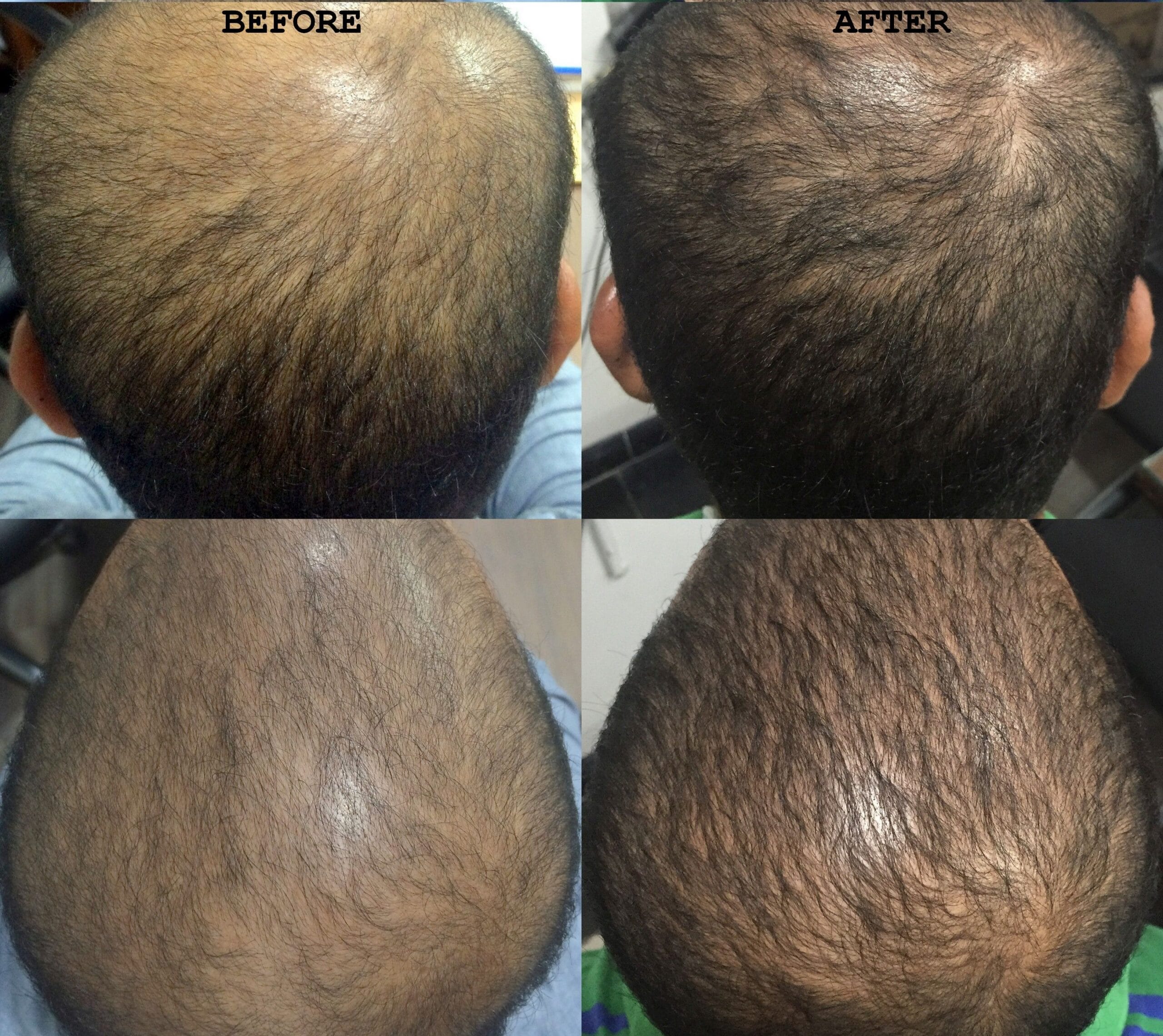
Hair loss can affect both appearance and confidence. Many men and women experience hair thinning for different reasons. However, a dermatologist can identify the cause through a scalp examination. Depending on the diagnosis, treatment may include medication, trichoscopy or PRP. Early assessment also helps detect inflammatory and scarring alopecia. Therefore, consult a dermatologist before starting treatment in Visakhapatnam.
Platelet-rich plasma (PRP) may help improve hair density in selected patients with androgenetic alopecia. A clinician prepares PRP from a small sample of the patient’s own blood. The clinician then injects the prepared plasma into selected areas of the scalp. Individual results vary. Therefore, doctors recommend PRP as an additional option alongside appropriate medical treatment.
PRP is only one of several treatment options for hair loss. The most appropriate approach depends on the underlying diagnosis, severity and individual patient needs.
Hair Loss Treatment Options in Visakhapatnam
The right hair loss treatment depends on the underlying cause and severity of hair loss. A dermatologist examines the scalp and recommends suitable medical treatment or other options based on individual needs. Early diagnosis can help prevent further hair loss in some conditions.
PRP Treatment for Hair Loss
During PRP treatment, the clinician collects a small sample of the patient’s blood. Next, the clinician processes the sample to concentrate the platelets. The prepared plasma is then injected into selected areas of the scalp. PRP may improve hair density in some patients with androgenetic alopecia. However, results vary between individuals. Doctors may combine PRP with suitable medical treatment.
Is it safe? Does it have long-term side effects?
A qualified medical professional performs PRP treatment after checking the patient’s suitability. Some patients may experience temporary pain, swelling, redness or bruising at the injection sites. PRP uses the patient’s own blood, so allergic reactions are uncommon. However, each patient has different needs. Therefore, a dermatologist should assess individual risks before treatment.
What Results Can I Expect from PRP Treatment?
Patients respond differently to PRP treatment. For example, some patients notice improved hair density over several months. However, others may see only limited improvement. The cause and severity of hair loss also affect the outcome. Therefore, a dermatologist should assess each patient’s response. PRP cannot guarantee a specific percentage of hair regrowth.
Are the results permanent?
PRP does not offer permanent or guaranteed results. Androgenetic alopecia may continue to progress over time. Some patients may need maintenance sessions. In addition, ongoing medical treatment can help maintain hair density. A dermatologist can recommend a suitable follow-up plan.
Can PRP Be Combined with Medical Treatment?
A dermatologist may combine PRP with established medical treatments for androgenetic alopecia in selected patients. The dermatologist may prescribe topical minoxidil or oral medications based on the diagnosis, medical history and individual needs. The dermatologist will guide treatment decisions after evaluating each patient.
PRP Treatment vs Hair Transplantation
PRP and hair transplantation offer different treatment options. PRP may improve hair density in selected patients with androgenetic alopecia. In contrast, surgeons move hair follicles from a donor area to areas affected by hair loss. The right option depends on the diagnosis, hair loss pattern and donor hair availability. Therefore, consult a dermatologist before choosing either treatment.
Hair Transplant Assessment
Hair transplantation may suit selected patients with androgenetic alopecia. Before surgery, a dermatologist checks the diagnosis, hair loss pattern and donor area. The doctor also examines the scalp for inflammation. Patients with active scarring alopecia may need medical treatment first. Therefore, control the disease before considering surgery.
When Should You See a Dermatologist for Hair Loss?
Consult a dermatologist if you notice persistent hair shedding or progressive thinning. You should also seek advice for sudden patches of hair loss. In addition, watch for scalp itching, burning, redness or scaling. Early assessment is important when scarring alopecia is suspected.
Persistent or excessive hair shedding
Receding hairline or progressive thinning
Patchy hair loss
Eyebrow or beard hair loss
Scalp itching, burning or pain
Suspected scarring alopecia
Frequently Asked Questions About Hair Loss
What is the most common cause of hair loss?
A: Androgenetic alopecia, also known as male or female pattern hair loss, is one of the most common causes of progressive hair thinning. Other causes include telogen effluvium, alopecia areata and scalp disorders.
Can hair loss grow back naturally?
Hair regrowth depends on the underlying cause. Hair loss due to telogen effluvium may improve once the triggering factor is addressed. Pattern hair loss often requires ongoing treatment, while established scarring alopecia may cause permanent hair loss.
Is PRP effective for hair loss?
PRP may help improve hair density in some patients with androgenetic alopecia. However, results vary between individuals. Dermatologists generally use PRP as an additional treatment option. It should not replace appropriate medical treatment. PRP is not effective for every type of hair loss.
When should I consult a dermatologist for hair loss?
You should consult a dermatologist if you experience persistent hair shedding, progressive thinning, sudden patches of hair loss, or scalp symptoms such as itching, burning, redness or scaling. Early assessment is particularly important when scarring alopecia is suspected.
Does everyone with hair loss need blood tests?
No. Not everyone with hair loss requires blood tests. Investigations are recommended based on the patient’s history and clinical examination. Blood tests may be useful when nutritional deficiencies, thyroid disorders, hormonal abnormalities or other systemic causes are suspected.
When is a scalp biopsy necessary?
A scalp biopsy may be recommended when scarring alopecia, inflammatory scalp disease or an unclear hair-loss diagnosis is suspected. It helps examine the hair follicles and surrounding tissue under a microscope. A biopsy is not routinely required for straightforward male or female pattern hair loss.
Hair Loss Consultation in Visakhapatnam
For selected patients with suspected scarring alopecia or unexplained hair loss, scalp biopsy and dermatopathology evaluation may help establish the diagnosis. At Visakha Institute of Skin & Allergy, Dr Sasi Kiran Attili provides specialist evaluation of hair and scalp disorders in Visakhapatnam.